Knowledge Base
General | Jun 09, 2026
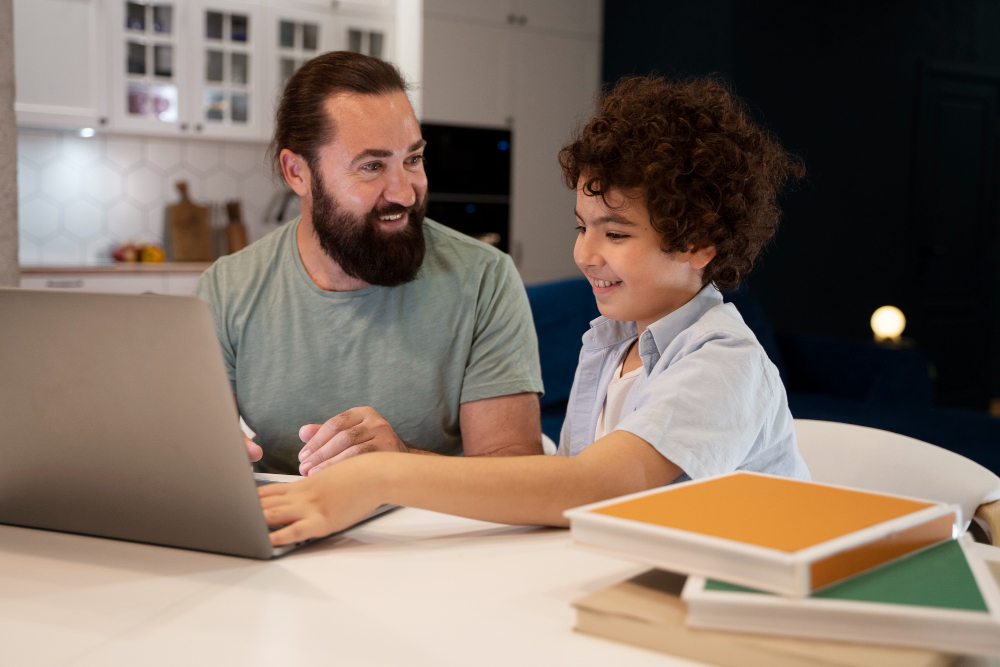
Every parent has been there, sitting across from their child at the kitchen table, watching them stare blankly at a math worksheet or burst into frustrated tears over a reading assignment. You tell yourself it's just a rough patch. Maybe it's the teacher. Maybe they're tired. But sometimes, that rough patch stretches into weeks, and the signs start adding up.
If you've been wondering whether your child could benefit from something more tailored than a standard classroom, you're not alone. Millions of families are making the shift toward personalized learning, and for good reason. Here are seven warning signs that it might be time to seriously consider it.
When a child who once performed well suddenly starts bringing home C's and D's, something has shifted. Student performance issues don't always announce themselves dramatically. Sometimes it's a quiet slide that parents dismiss as a phase. If you notice a consistent downward trend over two or more grading periods, it's worth paying attention.
A little Monday-morning reluctance is normal. But when your child wakes up anxious, complains of stomachaches before school, or regularly begs to stay home, that's a different story. This kind of avoidance often signals that they feel lost, behind, or embarrassed in the classroom and could genuinely benefit from one-on-one academic support to rebuild their confidence.
If your evenings have turned into a battlefield over assignments that should take 30 minutes, something is off. Kids shouldn't be spending three hours on homework every night. When this becomes the norm, it's a strong signal that concepts aren't sticking during school hours. Looking into homework help online can give your child the guided, patient reinforcement they're not getting in class.
Words like these should never be brushed off. When children start internalizing failure, it can stick with them for years. These statements often reflect ongoing student performance issues that have gone unaddressed long enough to damage their self-image. A good tutor for kids doesn't just teach content; they rebuild the belief that learning is possible.
Here's one parents often miss: personalized learning isn't just for kids who are falling behind. If your child blazes through assignments, rarely feels challenged, and seems completely checked out during class, they may need enrichment rather than remediation. Generic classrooms aren't built for kids at either end of the spectrum, and online tutoring help can meet advanced learners exactly where they are.
Some kids can't pinpoint where they get lost. They just know they're confused. In a classroom of 25 students, there's rarely time for a teacher to sit with one child and patiently unpack exactly where the gap is. This is where a dedicated tutor for kids makes an enormous difference, someone who can ask the right questions, identify the specific sticking point, and explain it five different ways if needed.
Academic struggles don't stay in the classroom. They follow kids home, to dinner, to bedtime. Irritability, withdrawal, loss of interest in hobbies they used to love, these behavioral shifts are often the emotional overflow of feeling academically overwhelmed. Connecting them with homework help online or a structured support program can relieve that pressure in ways that ripple into every part of their life.
So, What Do You Do Next?
Trust your instincts. You know your child better than any report card does. If several of these signs sound familiar, exploring online tutoring help or a structured academic support program could genuinely change the trajectory of their school experience and their relationship with learning.
The goal isn't perfection. It's making sure your child feels seen, supported, and capable. Because when kids get the right kind of help at the right time, the transformation can be remarkable.




Language : English
Country


Follow Us



Subscribe to our weekly Newsletter!
Parenting, Academics, Test Preparation, Offers and more.... Stay Tuned!


Post a Comment: